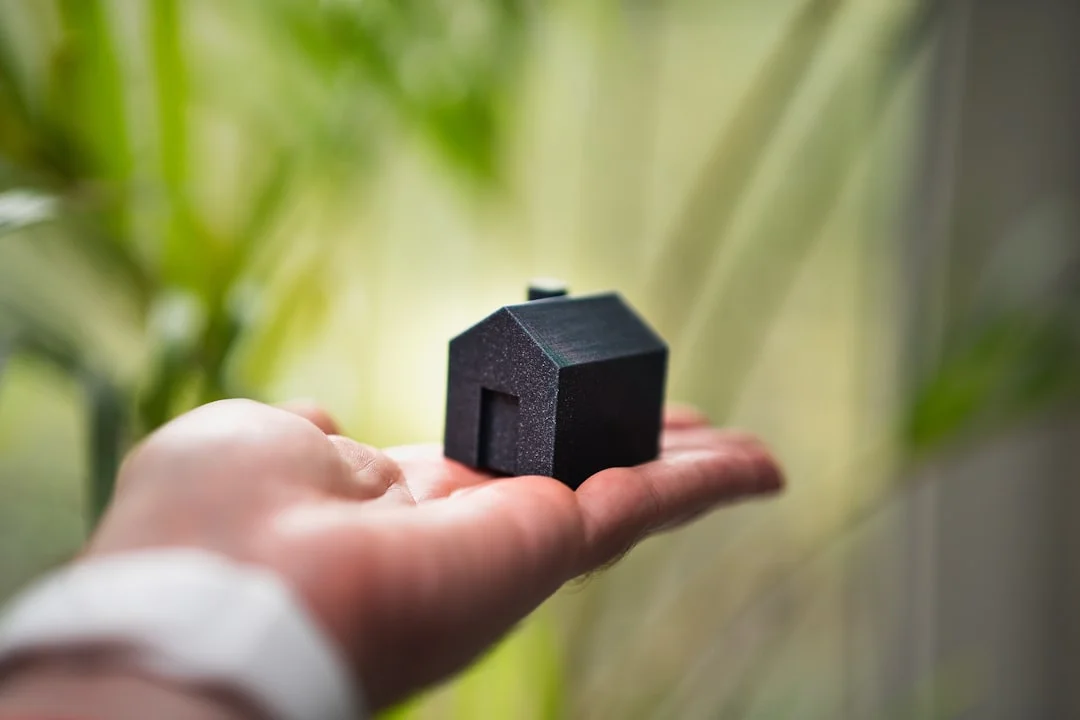
Introduction
In Canada, the tiny home movement is gaining momentum. With property prices soaring, more investors are turning to tax sale vacant lands as a viable option for sustainable living. For instance, in 2023, British Columbia saw a 25% increase in tax sale auctions, attracting investors who are eager to capitalize on affordable opportunities. This article delves into the intricacies of building a tiny home on tax sale land, providing essential insights for Canadian real estate investors.
Understanding Tax Sale Vacant Lands
What Are Tax Sale Properties?
Tax sale properties are lands auctioned by municipalities due to unpaid property taxes. Each province has its own regulations, governed by the Municipal Act in Ontario or the Tax Sales Act in British Columbia. Investors must research thoroughly before purchasing to avoid properties with outstanding liens or legal issues.
Why Choose Vacant Land?
Vacant lands offer flexibility for building and customization. They are often cheaper than developed land, with recent auctions showing prices 30% lower than market value. This makes them attractive for constructing tiny homes, particularly in areas with lenient zoning laws.
Regulations for Building Tiny Homes
Zoning and Building Codes
Before investing, check zoning regulations and building codes. Zoning laws vary significantly by municipality. For example, Toronto has specific regulations for tiny homes, allowing them in certain residential zones. Consult the Toronto Zoning By-law for details.
Permits and Compliance
Building permits are mandatory. They ensure compliance with local building standards. Without them, investors risk fines or having their home dismantled. Contact your local municipal office or visit the Service Ontario site for guidance.
Financial Implications
Costs and Budgeting
Building a tiny home can vary from $30,000 to $100,000, depending on design and materials. Budget meticulously and account for additional expenses like land surveys or legal fees.
Tax Considerations
Understand property tax implications. Consult the Canada Revenue Agency for tax obligations related to rental properties or home offices.
Case Study: Success Stories and Challenges
Consider the example of an investor from Alberta who purchased a tax sale property for $10,000. After zoning adjustments and securing permits, their tiny home is now valued at over $120,000. Conversely, another investor in Ontario faced delays due to unexpected zoning changes. These stories underscore the importance of thorough research and planning.
Expert Tips for Building on Tax Sale Land
- Tip 1: Start with a comprehensive land survey to avoid boundary disputes.
- Tip 2: Engage with local authorities early to understand zoning restrictions.
- Tip 3: Use Tax Sales Portal to monitor upcoming auctions and property analysis tools. Explore properties now.
- Tip 4: Be prepared for hidden costs, such as utility connections or soil testing.
Conclusion
Building a tiny home on tax sale land can be a rewarding investment when approached with diligence and foresight. By understanding the regulations, zoning laws, and financial implications, investors can take advantage of these unique opportunities. Visit the Tax Sales Portal to browse listings and utilize our tools for a successful venture.


