Introduction
Imagine purchasing a tax sale property with grand plans for development, only to discover it's designated as a heritage site. In Canada, heritage designation can significantly affect your property's development potential. Understanding the implications is crucial for any real estate investor.
Heritage designation can restrict property modifications, impacting both costs and timelines. This article delves into how Canadian investors can navigate these challenges, focusing on key legislation, real-world examples, and actionable strategies.
Understanding Heritage Designation
What Is Heritage Designation?
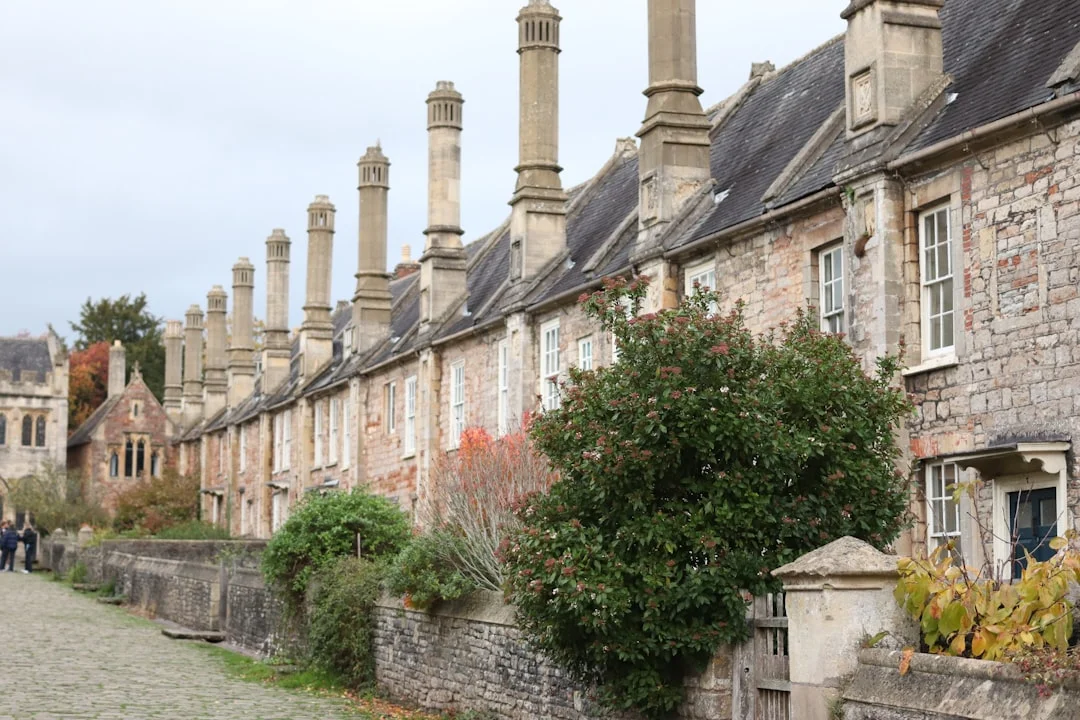
Heritage designation is a formal recognition of a property's historical, cultural, or architectural significance. In Canada, this is governed by various provincial and municipal regulations, such as Ontario's Ontario Heritage Act.
The Impact on Property Development
Designated properties can face restrictions on renovations, demolitions, and new constructions. For instance, in Vancouver, the Heritage Preservation Program mandates specific guidelines for maintaining heritage properties.
Legislation Governing Heritage Properties
Provincial Acts and Regulations
Each province has its own heritage preservation laws. In Alberta, the Historic Resources Act outlines the process for heritage designation and its implications.
Municipal Bylaws and Guidelines
Municipalities often have additional regulations. Toronto, for example, requires compliance with the Toronto Heritage Preservation Services for any significant changes to heritage properties.
Real-world Examples and Case Studies
Case Study: Halifax, Nova Scotia
In Halifax, a tax sale property on Barrington Street was discovered to have heritage designation, drastically altering the investor's development plan. Adhering to guidelines required an additional $25,000 and a six-month extension.
Example: Kingston, Ontario
Kingston's historic downtown offers numerous tax sale properties. However, the Heritage Conservation District Plan imposes strict standards, influencing investment decisions.
Expert Tips for Investors
Tip #1: Conduct Thorough Due Diligence
Always verify the heritage status of a property via municipal websites or provincial land registry offices. Start with Tax Sales Portal's property listings for preliminary information.
Tip #2: Budget for Compliance Costs
Prepare for additional expenses related to compliance with heritage regulations. These can include specialized materials or expert consultations.
Tip #3: Engage with Local Heritage Experts
Consult local heritage conservation experts to understand the full scope of restrictions and opportunities. Insight from seasoned professionals can help avoid costly mistakes.
Conclusion
Heritage designation can profoundly impact tax sale property development in Canada. Understanding the legal framework and potential costs is essential for successful investment. Use the tools available on the Tax Sales Portal to navigate these complexities and find viable investment opportunities.
Visit our blog for more insights and register to stay updated on the latest tax sale listings.


